

We make long-term investments with a hands-off approach in companies run by dedicated founders and entrepreneurs. Investments made possible through our unique and global network.

We back you as a founder.
We stay hands-off and encourage you to run your business.
We are genuinely long-term money; we have no commitments to return the money at any specific time.
We are happy to help out if you believe we can; and of course at your initiative.
We don’t care if you make mistakes; but we will worry if you don’t care to learn from them.

Our global dealflow is primarily based on the outstanding entrepreneurs and investors who are part of our network.
We have a broad investment mandate but primarily focus on unlisted growth-stage companies.
We aspire to have a straightforward and efficient investment process.

We don’t charge any fees and our running costs will always be held as low as possible.
We offer liquidity by being traded on First North (Flat B).
We have a high risk-profile. As we want to feel comfortable doing this on behalf of all our shareholders, please be mindful of the risk and size of your investment.
Amaury de Poret
interim CEO
Antonio Melani
CFO
Antonio Melani

Antonio's experience in finance includes roles as an investment analyst at private equity firm Areim and fund manager NREP. His academic achievements in economics as well as civil engineering include master's degrees from the Stockholm School of Economics and KTH, and bachelor's degrees from Chalmers University of Technology and the University of Gothenburg. This hybrid background, combined with an intense enthusiasm for entrepreneurship and a willingness to think outside the box, creates a perfect match between Antonio and an agile, slim organization like Flat.
Charlotte Runius
Board member
Charlotte Runius
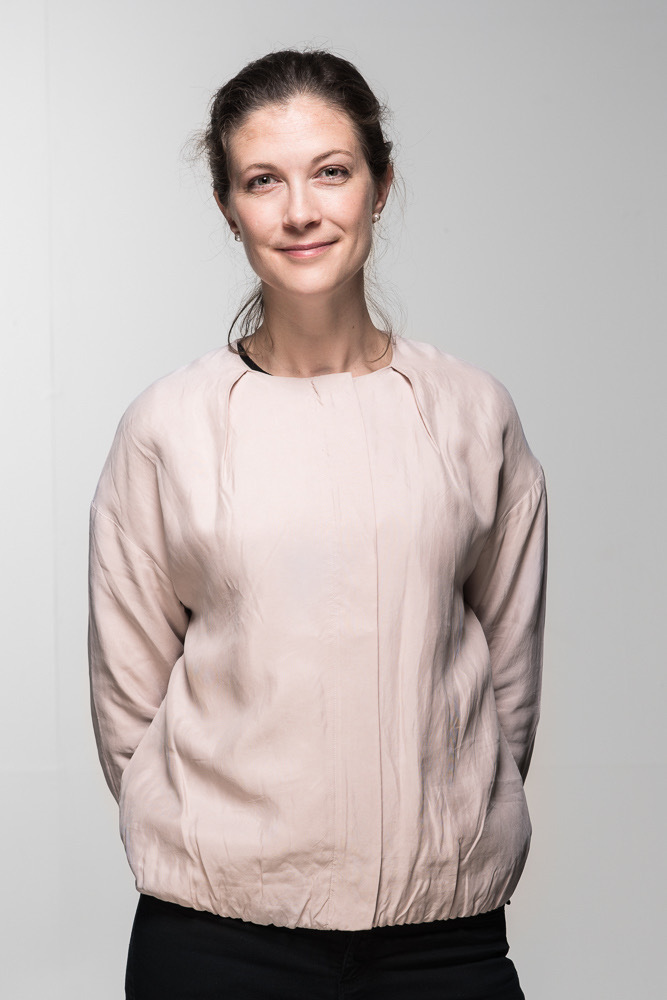
Charlotte has seen the world from two different perspectives - both as an investor and as an entrepreneur. After seven years in the buyout team at the investment firm 3i, she chose to start her own companies. With Fenix, she modernized one of the world's oldest industries and made it easier for families to plan funerals and family legal matters in Sweden and the UK. Charlotte has continued to develop in traditional industries with Svenska Naturvinsten helping companies to gamify sustainable consumer choices and Road Hero - an AI assistant helping professional drivers to report. She is furthermore a board member of STILFOLD which is developing a manufacturing method for steel that provides lighter constructions with less material and carbon footprint. Charlotte holds a Master's degree in Industrial Economics from KTH.
Board and managementAmaury de Poret
Executive Board member
Amaury de Poret
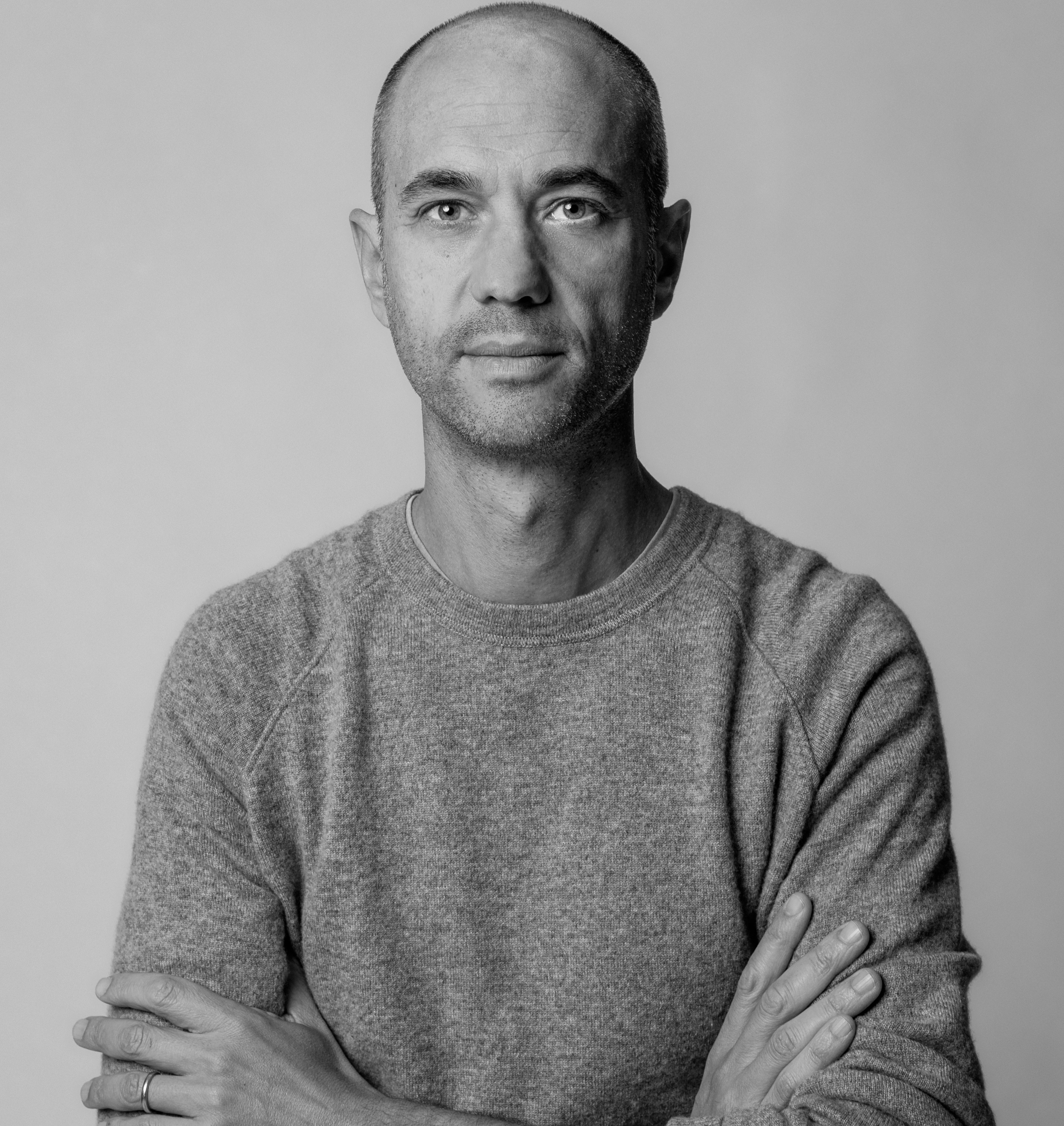
With over 15 years of experience in private equity and M&A, Amaury is a Swiss-qualified lawyer with a law degree from the University of Fribourg, Switzerland. Amaury is a co-founder and investment advisor of NAXS AB, listed on Nasdaq Stockholm, and of Enexis AB, an investment company focusing on plant-based medical and wellness investments. Previously, Amaury was part of the management team of Terra Capital Investors Ltd - a private equity fund operating from Washington, D.C. and São Paulo. Outside the financial industry, Amaury co-founded the communications agency Good Enough Media and was for 5 years a board member of the Rainforest Alliance, one of the world's leading environmental organizations (he is now part of the organization's Ambassadors Circle).
Board and managementDr. Marcelo Carvalho de Andrade
Board member
Dr. Marcelo Carvalho de Andrade
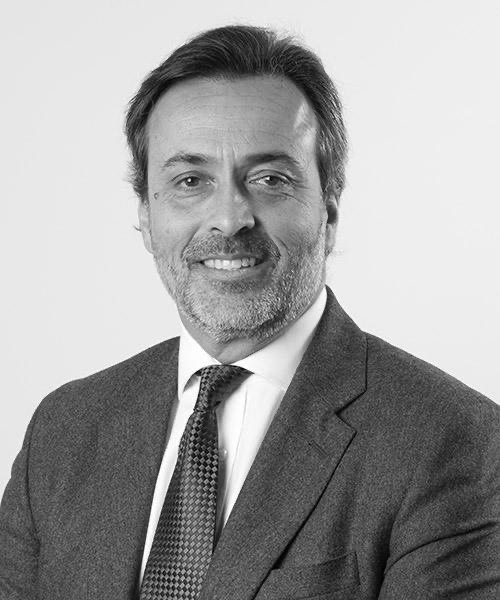
We have an Olympic rower on our board! With a medical degree from the Universidade Gama Filho in Rio de Janeiro, Marcello has focused his career on bridging the gap between economic development and social sustainability. Marcello founded the charity Pro-Natura International, then Terra Capital Investors Ltd, and Earth Capital—the world's largest private equity fund that only focuses on climate and sustainability. He has been responsible for large-scale projects in sustainable development for both global companies and governments and has participated in BHP Billiton's forum for corporate social responsibility, DuPont's World Wide Biotech Panel, and Procter & Gamble's Sustainability Council.
Board and managementJohan Söör
Board member
Johan Söör
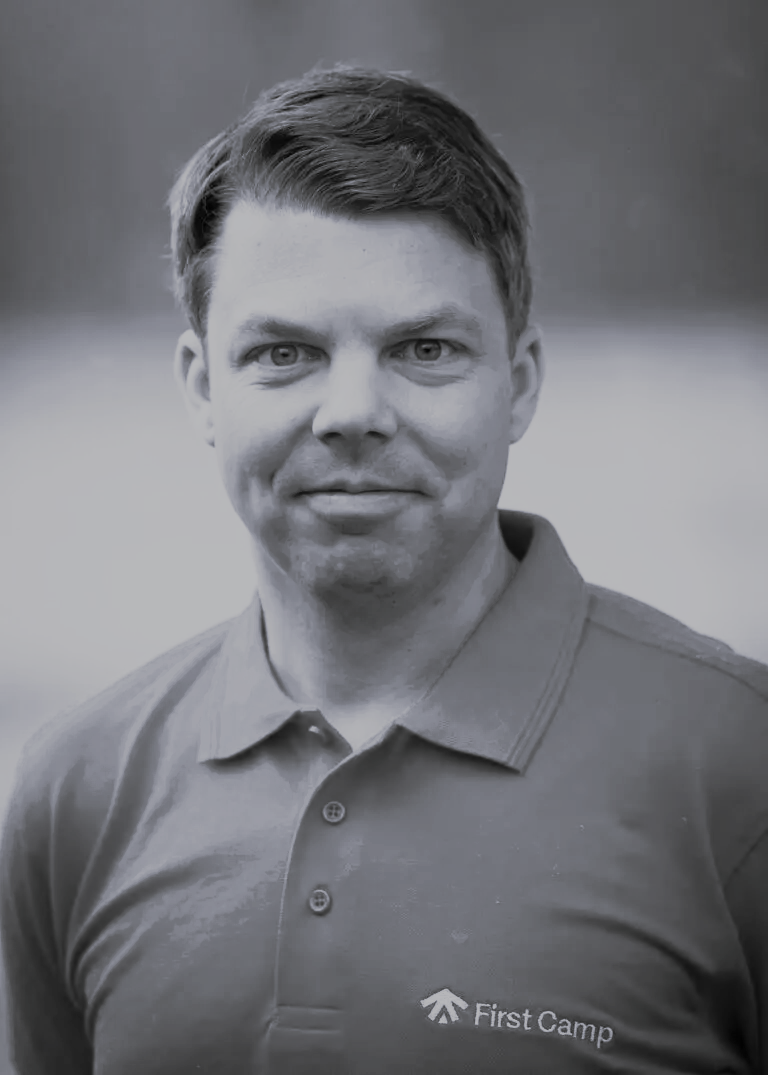
Johan Söör has built his career at the intersection of strategy and operational leadership. He laid the foundation at McKinsey & Company as a junior partner, before moving on to Hongkong-based MTR Corporation - first as Head of Business Development and then as CEO of MTRX, the privately operated high-speed rail service between Stockholm and Gothenburg which was the first major challenger to SJ’s 150-year monopoly. Also, he’s authored an acclaimed book about challenging the traditional rail industry.
Today, Johan is CEO of fast-growing First Camp Group AB, the leading camping and resort group in northern Europe which drives consolidation and digitization in an analogue industry. He is also Chairman and owner of Factum AB.
With a M.Sc. degree in Accounting and Financial Management from the Stockholm School of Economics, complemented by studies at Sciences Po Paris, Johan combines analytical rigour with a genuine interest in building and leading businesses that meet consumers in the real world.
Board and managementSebastian Siemiatkowski
Chairman of the Board
Sebastian Siemiatkowski

Few people have made as many mistakes as this man. Few have also worked as hard to correct them and learn from them. From Burger King and telemarketing to elderly care and teaching. Serving the customer is his passion. He finally ended up in the banking world, an industry more obsessed with serving itself than its customers. So, together with friends from Stockholm School of Economics, he founded Klarna in 2005 and has been its CEO ever since.
Board and management
Let us tell you a story.
Some years ago, a young man started a company with two friends. The young man was mainly driven by the excitement of starting a new venture by making online shopping easier. He had no real exit in mind, really he was mostly focused on all the great problems that could be solved for sellers and buyers online. It was his idea but he still believed to share equally with his co-founders, the only thing he did was take the CEO job.
Times were different back then: The internet bubble had burst a few years earlier; the internet stock had gone from hot to cold; the concept of starting a company was geeky and untrendy as most other students dreamt about employment at any of the fancy international banks or consultancy firms. But hope is a waking dream.
The boys found an angel investor and raised enough money to get started. They also found some tech people that would build the first version of the companies tech. Here however the founder has his first lesson in "long term". As they gave 37% away to the tech people, the 3 co-founders believed the tech guys would stay on and build the business with them. That was not however how the tech guys had perceived it, so after just a few months they completed their job and left. But the co-founders worked on and managed to get the company profitable within the first six months.
But the three young men, quickly felt they wanted other shareholders, shareholders that were backers and believers in the company, and shareholders that could add more value, especially legitimacy as the business was young but handling lots of money. They did not really want to raise money as they already felt diluted enough, but they realised they could help do some secondary, namely getting the tech people to sell to some new investors.
Luckily, they found two very prominent businessmen who had tons of experience and led a notable investment firm. The two businessmen helped buy out former investors and were ready to follow this new company's growth, not asking for the quick buck. But just a few years later, the two prominent businessmen's firms collapsed due to irregularities in another part of their business (we will not bore you with the details), and boom, they were gone.
Fortunately, the company found another investor. Perhaps the only one that could honestly call itself long-term investors, the guiding star and perhaps the best investor in tech ever. Getting this star investor onboard shielded the company from the two prominent businessmen mentioned earlier, but it didn't shield the company from the two businessmen wanting to sell their stocks. The company's CEO started looking for new investors: Not to raise money for the profitable company but to help sell the shares of these two businessmen, again a secondary trade. And so came onboard some new investors, who also guaranteed a long-term relationship—who later also saw challenges and also wanted to pull out.
The CEO had to put more time into finding new investors, just to facilitate secondaries, and less on actually running the company. Scaling, establishing a great culture, and launching new products and markets were more complicated than expected. The CEO saw lost opportunities and poor customer experiences. He got frustrated with himself: What was he doing wrong? And it didn’t get better.
He had to find new buyers and this time one of the best-known private equity funds wanted to invest. They promised to support him and jointly invest in all the opportunities once the CEO had figured out how to turn investments into growth. They also said they were really long term... Unfortunately, their views on 'risk' were different: While the CEO was eager to take the bold bets and go big on new products and markets, the private equity wanted to reduce spending, improve profitability, and prepare for an IPO.
Thanks to the real long-term quality investor, the CEO was backed in his ambitions. His team and colleagues delivered on the expectations and they became the highest most valuable private tech company in Europe.
The end. Or not yet. We haven’t reached the lesson learned in this story.
What could've been a smooth journey became a long bumpy process. For the first 16 years of the young man's company's existence, he had to spend a disproportionate amount of time raising new financing rounds to help "long-term" shareholders liquidate their positions, creating a massive distraction for himself and his colleagues. Billions of SEK were raised, but only a tiny fraction of that had been allocated to invest in the company's development.
But sure did all this taught the CEO a lot:
This whole thing puzzled him, and he wanted to learn more. He started to ask, where did the professional investors' money come from? Was it their own money? Well, it turned out their money came from so-called limited partners. Limited partners were just another name for more funds and investors who themselves managed money from other investors and so forth. Until most of the money turned out to initially come from pensions, endowments from universities, and charities. It made him happy when he realized that all the value creation that he and his colleagues had created, would eventually benefit retirees, researchers, and students. Though, he was still disappointed that a lot of money would disappear between the layers and layers of professional investors and their various fees.
On the other hand, there were people out there who were not professional investors. Many of whom were dreaming of the returns on investment that these professional investors were often rewarded with. But they had no way to access it.
The young man’s story gave us an idea for launching something little different: Not a disruption, just a contrarian thought for the few out there that we thought wanted something a little bit different.
We are Flat.